
Mission
Open pathways in education, character building, and entrepreneurship so young people and underprivileged communities can build confident, independent lives.
About Us
We connect education, practical skills and community support to help young people and women build confident, independent lives.
Who we are
Founded in 2012 by Zafar Sareshwala, Taleem-o-Tarbiyat grew from an education initiative into a national movement for learning, character, and opportunity.
Open pathways in education, character building, and entrepreneurship so young people and underprivileged communities can build confident, independent lives.
A generation equipped with learning, values, and practical skills, ready to contribute to their families, communities, and the wider economy.
Practical workshops that connect young people with experienced professionals in financial literacy, capital markets, and entrepreneurship.
Our approach connects education, character building and practical skills. Through workshops and community programmes, we aim to help people turn learning into confidence, independence and opportunity.
Connect education with character building and entrepreneurship, helping young people explore opportunities with confidence and responsibility.
Bring experienced professionals, educational institutions and financial-sector partners together to share practical knowledge through workshops.
Make education, financial literacy and livelihood skills accessible through programmes for young people, women and underprivileged communities.
Use hands-on learning and insights from leaders to help participants apply their skills and work towards independent, contributing lives.
Meet the people bringing experience in education, enterprise, the arts and law to the work of Taleem-o-Tarbiyat.
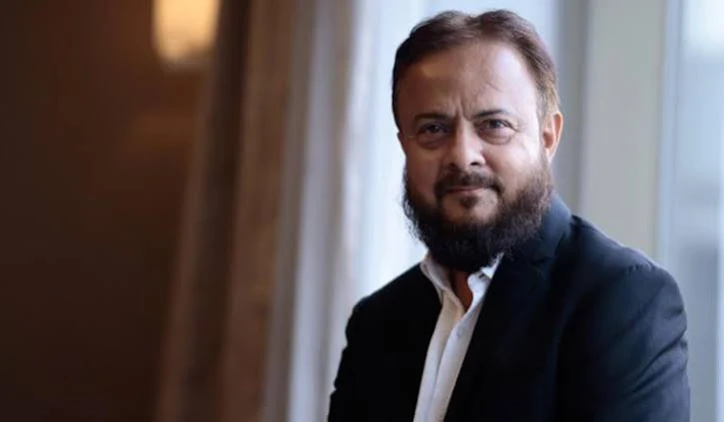
Founder
Entrepreneur, philanthropist and former Chancellor of Maulana Azad National Urdu University
Zafar Sareshwala is an Ahmedabad-born entrepreneur, philanthropist and the founder of Taleem-o-Tarbiyat. His work brings together education, business and community development, with a focus on creating opportunities for underprivileged young people and women.
He served as Chancellor of Maulana Azad National Urdu University (MANUU) from 2015 to 2018. During his tenure, he introduced a bridge course to help madrasa students enter mainstream education and supported online classes to make learning more accessible. His work at the university reflected a commitment to education and to India's linguistic and cultural diversity.
His business interests span fund management, real estate and education. In 2001, he helped establish an FSA-regulated, Shariah-compliant investment fund in the United Kingdom. His entrepreneurial work has also supported economic activity and employment in Gujarat and beyond.
Alongside his business work, he has contributed to international discussions on Islamic banking and finance. He has presented papers and spoken at the Harvard Islamic Banking and Finance Forum in Boston and at conferences including those of the Institute of Islamic Banking and Insurance in London.
His public service has included building dialogue between the Indian Muslim community and the Government of India. He represented the Prime Minister as a Government of India goodwill ambassador for Haj in 2016. In January 2018, the Ministry of Human Resource Development invited him to contribute his views on minority education. He proposed recognising some madrasa courses as equivalent to other examination boards to open routes into higher education.
Through Taleem-o-Tarbiyat, he works to widen access to education for underprivileged children and to help women develop practical vocational skills. Professional training supports women in starting small ventures, while the initiative connects young people with the knowledge and confidence to pursue education and entrepreneurship.
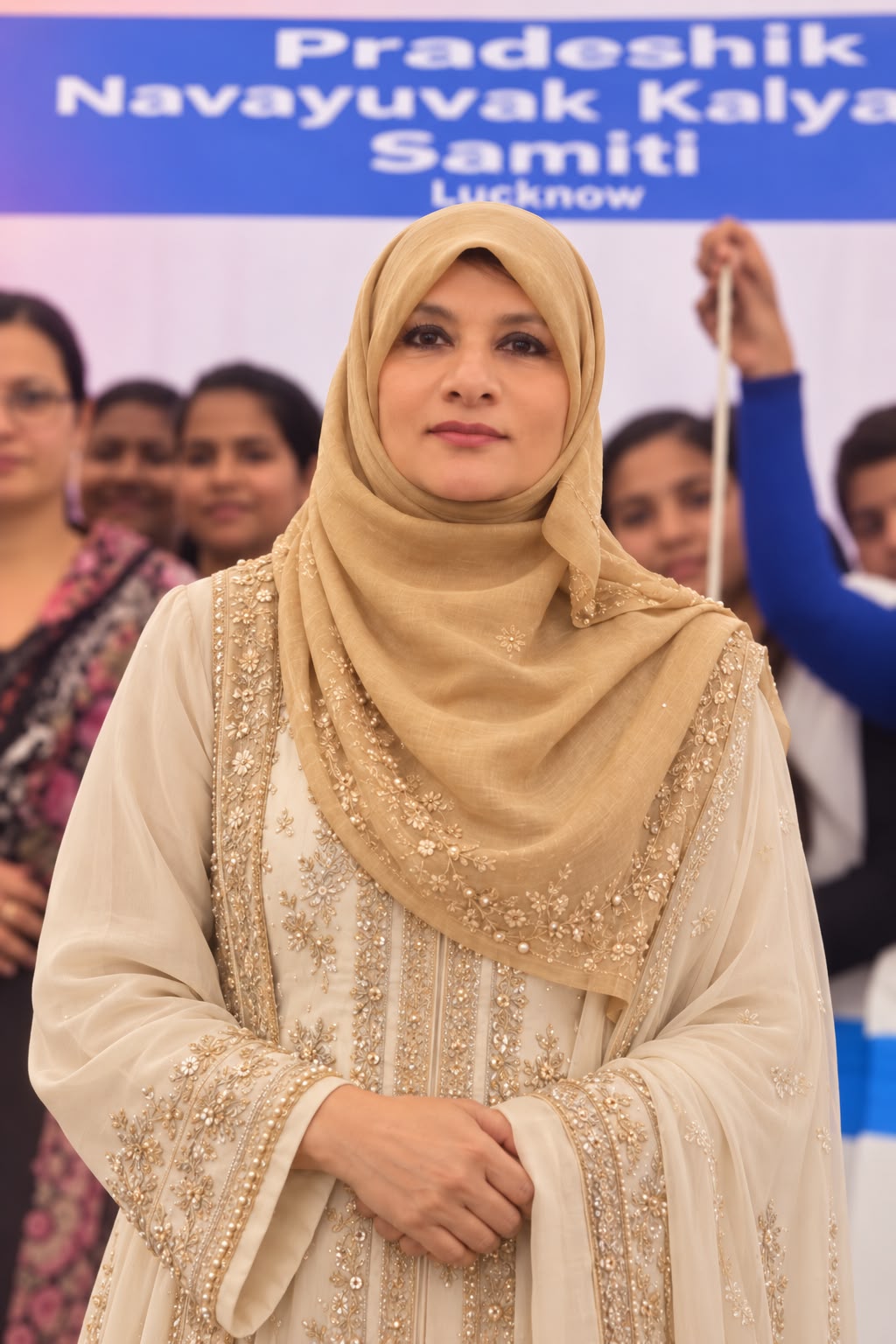
Founder
Ceramic artist, educator and women's entrepreneurship facilitator
Asiya Sareshwala is a ceramics graduate of the J.J. School of Arts, Mumbai, whose creative practice brings together art education, Islamic calligraphy and women's entrepreneurship.
In the United Kingdom, she conducted art-teaching programmes for women from ethnic backgrounds under a UK Government initiative and also taught at college level.
Her ceramic artwork explores Islamic calligraphy and has been exhibited at venues in India and internationally.
Across India, she has led women's workshops in soap-making and macrame through Taleem-o-Tarbiyat's Education to Entrepreneurship initiative, helping participants develop practical creative skills and the confidence to become entrepreneurs.
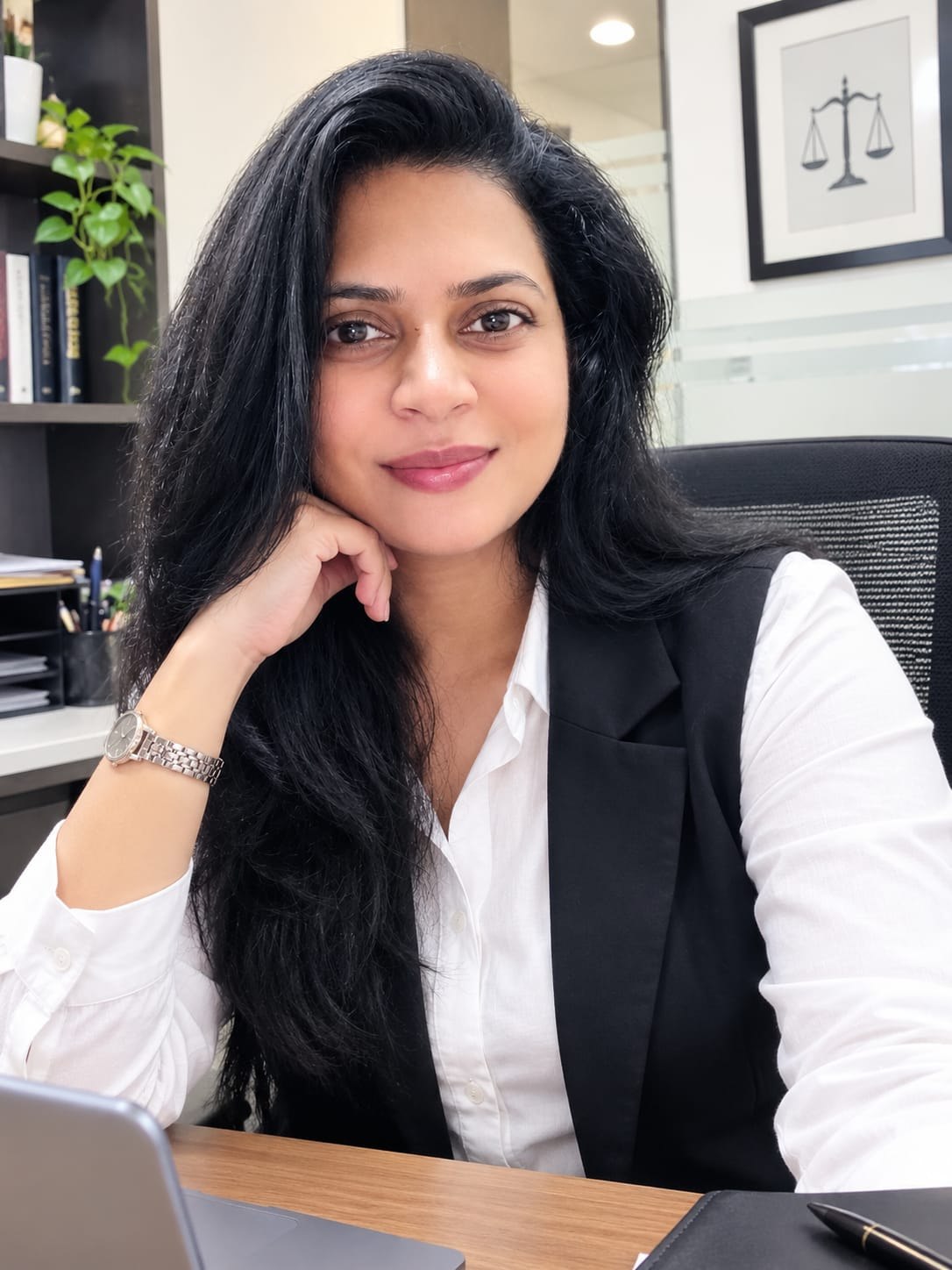
Vice President
Independent lawyer, sociologist, academician and social impact leader
Dr. Swati Singh is the Vice President of Taleem-o-Tarbiyat Foundation and an Independent Lawyer. Her career stands as a powerful testament to fearless advocacy, rigorous scholarship and deep systemic impact.
Armed with a Ph.D. in Sociology from Banaras Hindu University (BHU) and an LL.B., she possesses a rare and potent combination of sharp legal acumen and an uncompromising understanding of societal structures.
Dr. Singh's strength is defined by her frontline experience; during her doctoral studies, she worked directly in the trenches as a research scholar and counsellor at the Varanasi District & Sessions Court, providing vital support and advocacy for rape survivors.
A distinguished academician and an expert resource person, she has taught as an Assistant Professor across multiple colleges, and her pioneering research has been widely published and presented at premier national and international conferences.
Blending the strategic precision of a lawyer, the intellectual depth of an educator and the fierce dedication of a frontline advocate, Dr. Swati Singh is a powerhouse leader driving the foundation's mission toward lasting social change.
Award and accreditation details are not currently published on this website. For verified organisational information or supporting documentation, please contact our team.
Contact UsEach workshop and community initiative is built around learning that is useful, ethical, and ready for real life.
Widen access to learning and bridge gaps so more young people can enter and stay in meaningful education.
Pair knowledge with tarbiyat: the values, confidence, and responsibility that shape how opportunity is used.
Practical sessions on business fundamentals, financial literacy, and capital markets with leaders in the field.
Build vocational and livelihood skills through programmes that help women start small ventures with confidence and dignity.
Our reach
Programmes conducted in 50 cities across India since 2012.
67
Documented programmes
43
Cities & urban areas
19
States & UTs
Since 2012
Years of service
Active since 2012, the name and mission have evolved as the work has grown.
2012
Launched as “Empowering and Mainstreaming Underprivileged Youth through Education,” held in several cities across India.
2015
Veteran film script & dialogue writer Salim Khan gave the initiative a new name, “Taleem ki Taaqat.” The first program under this name was convened in Mumbai in August 2015, focused on education for underprivileged youth.
2016
Renamed to “Taleem o Tarbiyat” (Education with Character building) after concluding that education must be paired with character-building.
2021
Added “Education to Entrepreneurship” as a third pillar, with workshops in entrepreneurship development, financial literacy, and marketing.
By providing opportunities to interact with leaders and forerunners from their particular fields, and by gaining practical knowledge and key insights through workshops and programs relating to financial literacy, capital markets, and entrepreneurship, we equip youth and underprivileged communities with the skills and knowledge to explore the ocean of opportunities and transform them into independent, confident, contributing members of their families and communities.
These principles guide how we design programmes, work with partners, and support our communities.
We respect every participant's experience, potential, and right to shape their own future.
Experienced mentors and hands-on workshops help participants apply what they learn in everyday life.
From campuses to neighbourhoods across India, we take programmes where young people already gather.
Banks, exchanges, universities, and civic partners help us deliver credible, high-quality sessions.
Over the years, our programmes have welcomed dignitaries from government and the financial sector.
Vice President of India
Union Cabinet Ministers, Government of India
Chairman & Whole-Time Members, SEBI
CMD, Union Bank of India
CMD, Central Bank of India
CEO, Bombay Stock Exchange (BSE)
CEO, National Stock Exchange (NSE)
Mr. Rajnish Kumar, former Chairman, State Bank of India
Mrs. Arundhati Bhattacharya, former Chairperson, State Bank of India
Institutions that have supported the logistics of our programmes.
State Bank of India
Union Bank
Central Bank of India
Exim Bank
Explore our programmes or get involved as a volunteer, partner, or supporter.